Most of the multifamily world underwrites to a five-year hold and a sale. We underwrite to ten years and to the assumption that we might never sell. That one choice changes every input in the model — and it's the closest thing we have to a house philosophy.
The Five-Year Trap
A five-year underwrite quietly forces three bets. It leans hard on the exit cap rate, because the sale is where most of the return gets booked. It over-weights near-term rent growth, because you only have a few years to capture it. And it rewards running the building hot — pushing rents, tolerating turnover — because you won't be around for the back half of the churn cost. None of that is wrong in a rising market. All of it is fragile if the sale window doesn't cooperate.
What Ten Years Changes
Underwrite to ten years and the model reorganizes itself around durability instead of exit timing.
- Retention becomes a primary variable, not a soft one — the math of renewal versus trade-out compounds across a decade in a way it never does across five years.
- You buy on in-place performance, not pro-forma promise, because you have to live in the actual building, not the spreadsheet version of it.
- Debt structure matters as much as debt rate — term, flexibility, and refinance windows decide whether you control the hold or the hold controls you.
- Capex stops being deferrable. Over ten years the roof, the paint, the mechanicals aren't someone else's problem — they're yours, and they belong in the underwrite from day one.
You Live Through a Full Cycle
The most important thing a ten-year hold forces you to accept is that you can't time the market, because you'll own through all of it — the concession trough and the tightening, the soft print and the recovery. That's freeing, in a way: if you can't pick the moment, you have to buy where the supply-and-demand math works across the cycle rather than at one point in it. It's the same logic behind why the current window favors patient buyers — the entry matters, but only because it sets up a hold long enough for the fundamentals to play out.
How It Shows Up in the Portfolio
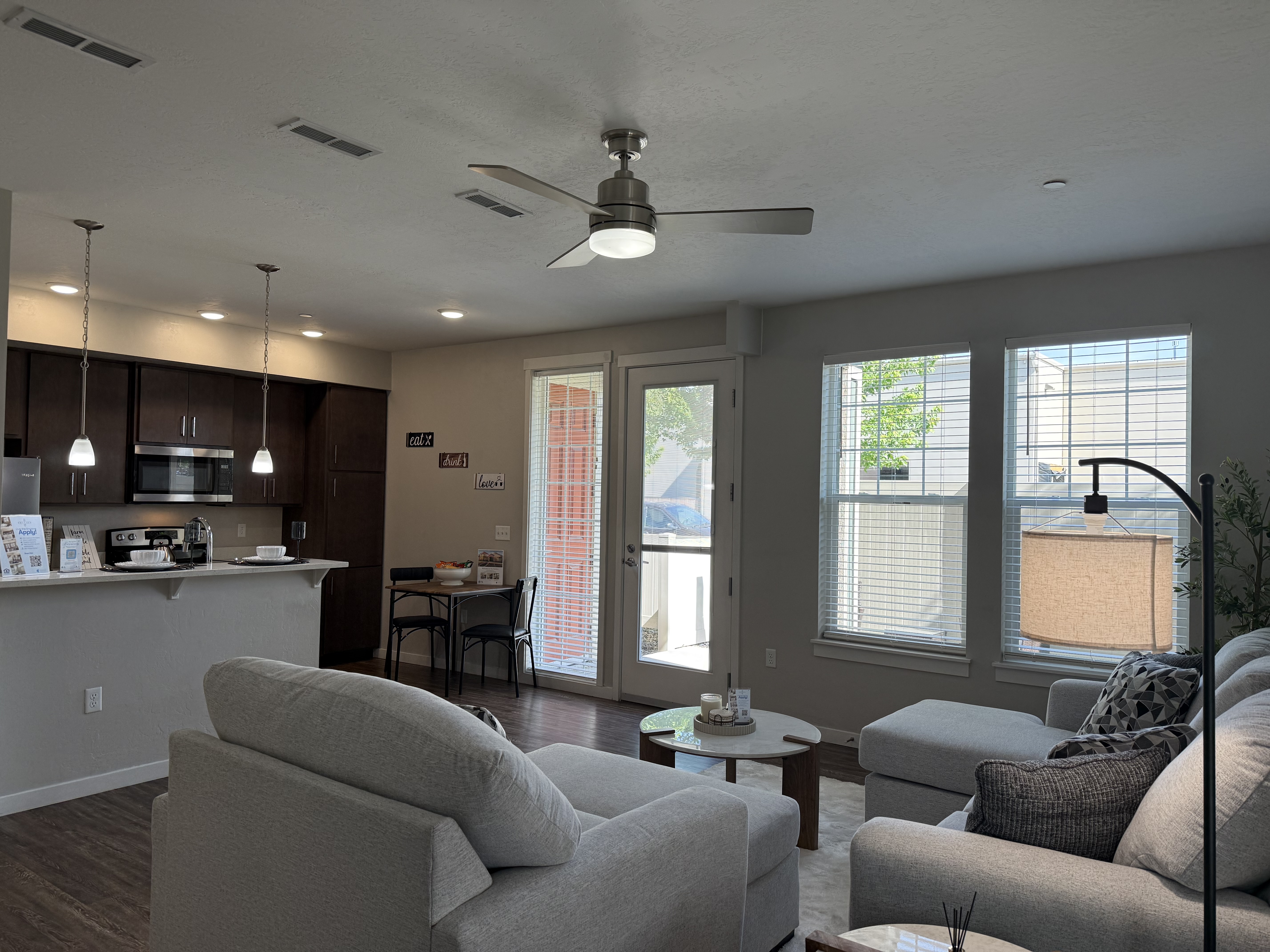
The Enclave is underwritten to hold: a retention-friendly unit mix throwing off durable cash flow, financed for the long term rather than a quick flip. Arête is being built to hold: new product delivering into a tightening supply picture, designed for a resident base that stays. We didn't buy either one with a sale date circled on the calendar. That isn't a constraint — it's the entire advantage.