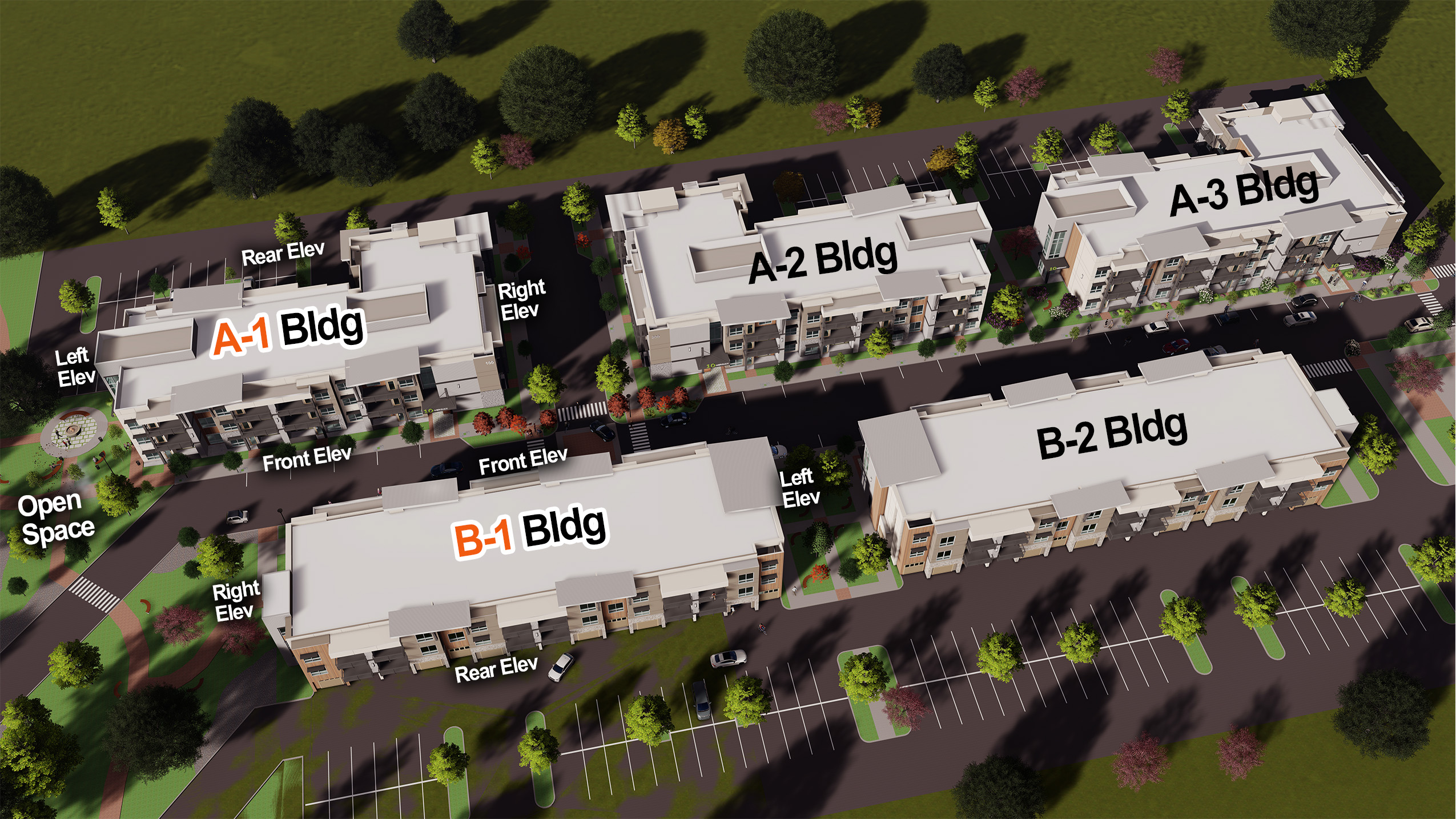
Rent growth across the Treasure Valley has settled into a different rhythm than it had even eighteen months ago. The double-digit gains of 2022–2023 are behind us. Supply pressure is real, but absorption is keeping pace with deliveries better than the headlines suggest. Going into the back half of 2026, the story is steadier — and in our read, more workable for long-hold capital than any moment since 2019.
Where Rents Have Settled
Year-over-year rent growth in Meridian and Boise has moderated meaningfully from its 2022 peak. What we're seeing in our own operations and across the comps we track is a market where new lease trade-out is small but positive, and renewal increases are landing in a band most operators would call healthy if they hadn't recently been spoiled by the 2021–2022 environment.
That moderation is, in our view, the correct calibration. The previous run was unsustainable, driven by inbound migration outpacing supply during a window when deliveries were still constrained by 2020 disruptions. The current pace looks more like the long-run trend.
The market isn't cooling. It's normalizing. Those are different things, and they imply different positioning.
Supply Is the Pressure Point
The active multifamily pipeline in Ada and Canyon Counties is the most significant we've underwritten against in our operating history. New deliveries are concentrated in 2026 and the first half of 2027, with several large projects breaking ground in the second half of 2025 hitting lease-up over the next four quarters.
We're watching three things specifically:
- Lease-up concession patterns. When a new property opens, the concession structure tells you more about market depth than the asking rent does. The first eight weeks of lease-up are the signal.
- Distance to existing inventory. The new supply is meaningfully concentrated in specific submarkets. Properties more than a few miles outside those corridors have substantially different competitive dynamics than the headline numbers suggest.
- Unit mix. Much of the new product is two-bedroom-heavy. Three-bedroom inventory remains tight. The Enclave's 50/50 split has been an advantage on this front.
Occupancy Is Holding
Despite the supply story, occupancy across stabilized Treasure Valley multifamily is holding above where most operators expected six months ago. Inbound migration into the region — driven by employment growth in the Boise metro and continued cost-of-living arbitrage from California and the Pacific Northwest — is still absorbing the new deliveries reasonably well.
The Treasure Valley's underlying economic engine hasn't cracked. Employment indicators are positive, household formation continues, and the migration data shows the net inflows we've been seeing for a decade haven't reversed.
What This Means for Owners
If you're an owner of stabilized Treasure Valley multifamily and you've been holding through the cycle, the question worth sitting with is: does the post-2026 supply environment look different enough to change your hold strategy?
Our read: no, but with caveats. The 2026 deliveries will be absorbed. The 2027 deliveries are what we'd be modeling against. Operators who can ride out a softer lease-up environment over the next eighteen months come out the other side with a thinner near-term competitive set. Operators stretched on debt or near a refinance might face different math.
For owners considering a sale, the next two quarters are likely a reasonable transaction window. Cap rate expansion has largely played out, debt costs are stable, and well-stabilized properties are trading. If you want to talk about whether your asset fits Dolomiti's acquisition profile, we'd be happy to look at it.
How Dolomiti Is Positioned
We're long the Treasure Valley over a seven-to-ten-year horizon. That conviction hasn't changed. Our acquisition discipline has, in the sense that we're underwriting more conservatively on year-one rent growth and demanding more margin in our supply-pressure modeling.
What we're not doing: chasing buy-it-and-flip plays into 2026 supply. The math doesn't work for short-cycle capital in this environment. The math does work for patient capital that can ride 2026–2027 absorption and re-emerge into 2028 with stabilized assets in a meaningfully thinner competitive set.
What We're Watching in Q3
- Lease-up data from three specific new deliveries that come online between June and September
- Concession depth across the Meridian and Boise comps we track weekly
- Debt market behavior — particularly agency pricing if the Treasury curve continues to steepen
- Storage market read for Ada County — see our forthcoming Storage Notes piece
We'll publish a Q3 market scan in late August or early September. Subscribe below to get it in your inbox.