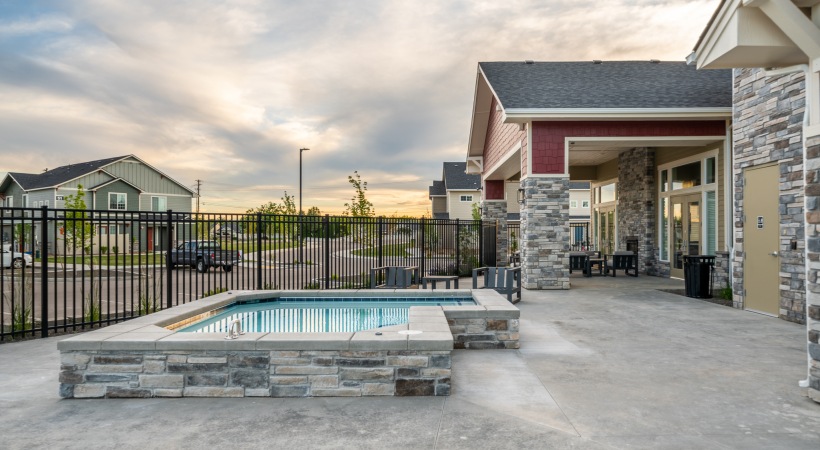
The multifamily buying environment in mid-2026 is more interesting than the headlines suggest. Rents are soft in the supply-heavy metros, concessions are wide, and that is exactly the backdrop that tends to reward buyers who can look past the next four quarters.
The Setup
Two things are true at once. The present is soft: elevated deliveries have pushed vacancy into the double digits in the most-built metros and forced concessions of 10–18% in markets like Salt Lake. And the future is tightening: the delivery pipeline that caused the softness is collapsing — Utah's 2026 slate is two-thirds smaller than last year, and the story rhymes across the interior West. When supply falls while population keeps growing, the concession environment pressuring today's rents becomes the setup for tomorrow's.
What the Capital Markets Are Doing
The transaction market is thawing. In Salt Lake, Q1 2026 volume hit $275.5 million with deal count up 19% year over year, and cap rates across classes settled near 5.6% — a level steady enough for buyers and sellers to transact again. The bid-ask gap that froze 2023–24 has narrowed. That matters more than any single rate print: deals are clearing, price discovery is real, and a disciplined buyer can underwrite an exit with more confidence than a year ago.
You buy multifamily in the concession trough, not the rent-growth headline.
Why Patient Capital Wins Here
The buyer who needs this quarter to look good avoids soft markets. The buyer underwriting a ten-year hold does the opposite — steps in while concessions are wide and the pipeline is emptying, and lets the supply air-pocket do the work over the following 24 to 36 months. That's not a timing call on interest rates; it's a structural read on supply and demand we can actually see in the delivery data.
How We're Positioned
Our two Meridian assets sit on opposite ends of that thesis. The Enclave is stabilized, retention-managed, and throwing off the durable cash flow a long hold is built on. Arête is delivering into 2027 — precisely as the regional pipeline thins out and the markets that overbuilt finish digesting. Same thesis, two entry points: own the stabilized cash flow, and deliver new product into the tightening.
None of this depends on calling the bottom. It depends on buying where the supply math is on your side and holding long enough for it to matter.