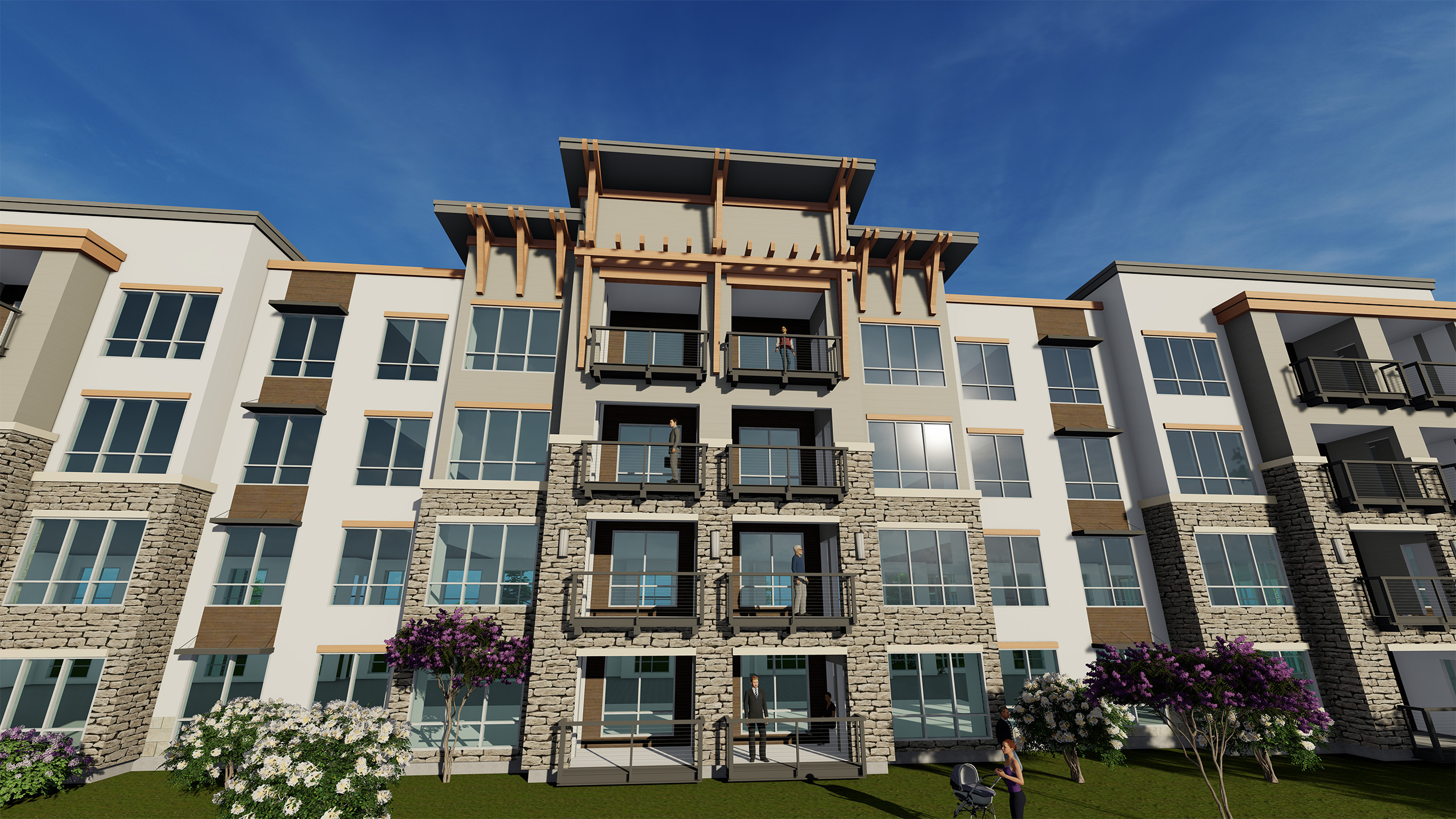
Boise and Salt Lake City get filed under the same headline — a Mountain West growth story, people and jobs moving in, apartments following. As places to live, the comparison holds. As multifamily markets to underwrite, the two metros are sitting at different points in the same cycle, and that difference is the entire reason we track them side by side.
One Region, Two Markets
The metros sit about five hours apart and pull the same migration tailwind, but scale separates them. Salt Lake is the larger, deeper, more institutional market — more product trades, more merchant builders, more national capital competing on every deal. Boise is smaller and thinner, and that cuts both ways: less institutional competition on the buy side, but less liquidity the day you want out. Underwriting either one starts with respecting which of those two markets you're actually in.
The Supply Divergence
The clearest difference right now is supply. Utah spent the last three years delivering aggressively, and it shows. Per Northmarq's Q1 2026 read, Salt Lake vacancy held around 7.3% to start the year and most submarkets are running concessions in the 10% to 18% range — real giveaways, not gimmicks. Asking rents were down roughly 1.0% year over year, though the quarterly trend turned positive in Q1. The part that matters is what's coming: the 2026 delivery slate is about two-thirds smaller than the prior year. Utah overbuilt, is digesting it now, and the pipeline that caused the softness is drying up.
Boise never ran that hot on supply. Occupancy has stayed healthy and is forecast to firm into late 2026, with rents grinding up in the low single digits as rent growth regains traction. The Treasure Valley added inventory, but demand — concentrated heavily in Meridian — kept absorbing it. The result is a tighter market with less concession pressure than Salt Lake, but also less of the supply air-pocket setup that makes Utah interesting to a buyer today.
Rents and the Ceiling
Boise's average asking rent sits around $1,670, up modestly year over year. The constraint in Boise isn't vacancy — it's affordability. The bigger risk to Idaho rent growth is the renter base reaching its income ceiling, not units sitting empty. Utah rents are softer in absolute terms, but the submarket picture varies: Provo and the Orem/Lehi corridor posted annual gains north of 1.8% even as the metro average slipped. In both states, the headline hides the submarket that actually decides the deal.
Boise and Salt Lake share a region. They don't share a spot in the cycle — and that's the whole point of watching both.
Capital Markets
Salt Lake trades like a real institutional market. Multifamily cap rates across classes average around 5.6%, and Q1 2026 transaction volume reached $275.5 million with deal count up 19% year over year — capital returning as fundamentals firm. Boise is thinner: fewer institutional buyers, a wider bid-ask, and a smaller pool of comparable trades to price against. For a patient owner-operator that's not entirely a drawback — less institutional competition is part of why the Treasure Valley pencils — but it means underwriting the exit with more humility.
How We Read It
We don't buy states; we buy submarkets, and these two ask different questions. Utah is a supply-correction story: the softness is real today, but the delivery cliff is closing, and the buyer who steps into the concession trough is buying ahead of the tightening. Idaho — and Meridian specifically — is a demand-concentration story: tight supply, a base that keeps absorbing, and less institutional competition, with affordability as the variable to watch.
Our portfolio sits on the Idaho side of that line for a reason. The Enclave and Arête are both Meridian assets, in the submarket that absorbs a disproportionate share of the region's demand. But we track Salt Lake closely, because the setup there — overbuilt, discounted, pipeline collapsing — is exactly the kind of dislocation long-hold capital is supposed to buy.