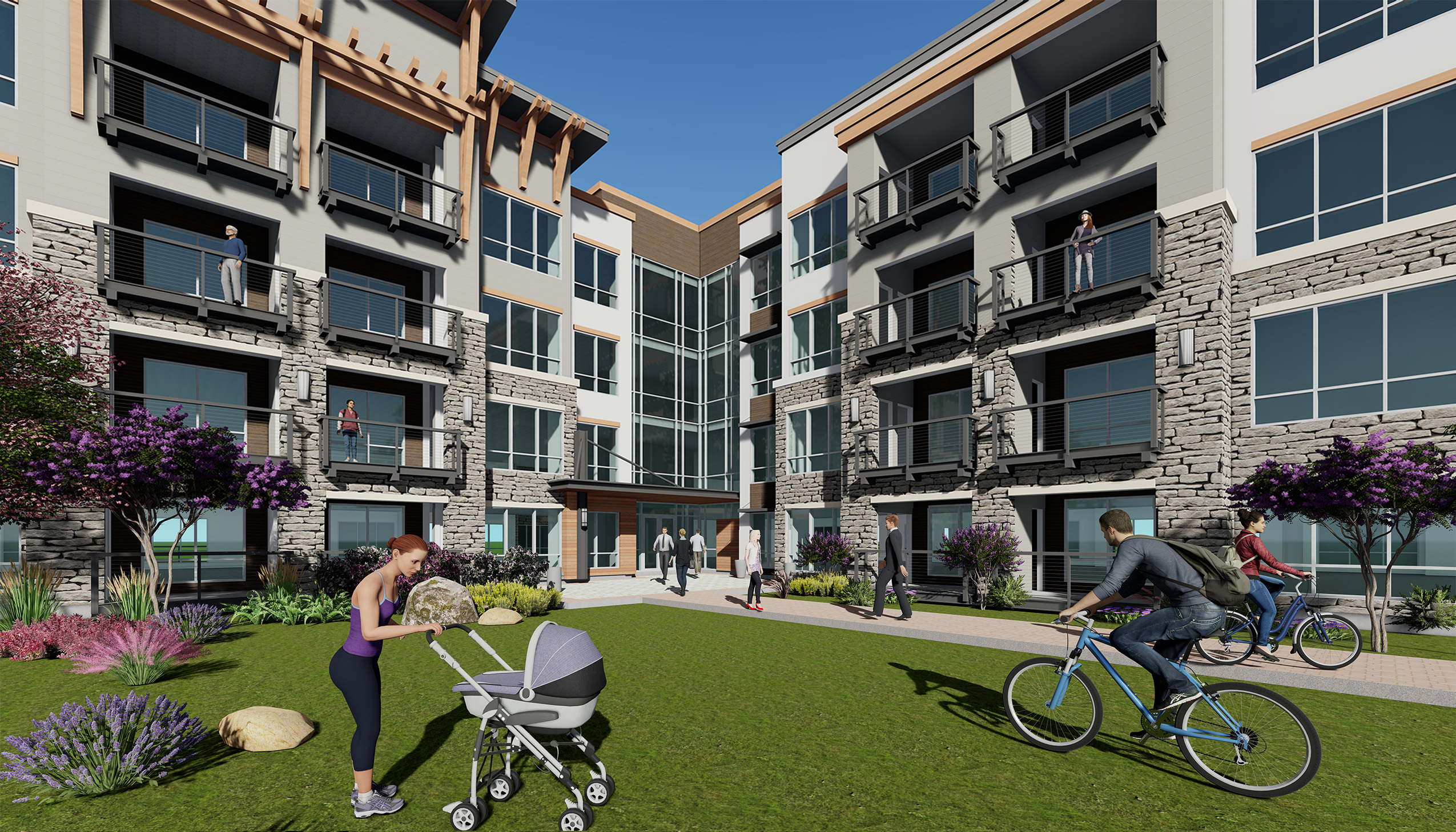
Most people think underwriting starts with a pro forma. Ours doesn't. Before we build a model — before we pull a single rent comp — we run five checks that decide whether a deal is even worth the hours a real model takes. None of them are rent comps. Three of them aren't on the offering memorandum at all. If a deal fails these five, no spread on the rent roll saves it.
One — Turnover, Before Rent Growth
We've written that we manage for retention, not turnover, and the same lens is line item number one in acquisitions. The first number we stress isn't year-one rent growth. It's the renewal rate and the all-in cost of a turn — vacancy days, make-ready, leasing concessions, and the marketing spend to backfill. A building that turns half its units a year is a fundamentally different asset than one that turns a quarter, even at identical rents. Over a hold, the high-turnover building bleeds NOI through the back half in ways a year-one pro forma never shows. We'd rather inherit a slightly under-rented building with a sticky resident base than a fully optimized one that has to be re-leased every year to hold its number.
Two — The Submarket, Not the Metro
The metro vacancy rate is close to useless for an individual building. What matters is the three-mile radius: what's leasing nearby, what's under construction, and how far the asset sits from the new-supply corridor. A building inside the delivery path competes against fresh product with concessions; one a few miles outside it operates in a different market entirely, no matter what the headline metro number says. We'd rather own a well-located building in a softening metro than a corridor-adjacent building in a tight one. The map decides more than the spreadsheet here.
Three — Unit Mix and Who Actually Renews
Two buildings with the same rent roll can have completely different durability, and the difference is who lives there. Family-sized two- and three-bedroom product pulls a longer-tenured resident base — households that move when their lives change, not when the rent ticks up four percent. One-bedroom-heavy product in a transient corridor reprices fast on the way up and turns fast on the way down. Neither is wrong, but they are different risk profiles, and they belong in different parts of a portfolio. The Enclave's even two- and three-bedroom split is a deliberate bet on the durable side of that line.
Four — Basis and the Debt Behind It
Before we underwrite the upside, we underwrite what we're paying per door against replacement cost — and the debt that comes with it: rate, term, refinance timing, and whether the existing loan is an asset or a problem to be solved. A great building on the wrong debt is somebody else's workout. This check has gotten sharper teeth over the last two years, as insurance and reassessed property taxes have moved expense lines materially in markets across the West. A basis that looked safe against 2022 expenses doesn't always look safe against 2026 ones.
A pro forma can make almost any building look good. The five things we check first are the ones a pro forma is designed to paper over.
Five — Can It Actually Be Operated That Way
The last check is whether the operating assumptions are real. The gap between a pro-forma expense ratio and a real one is where most deals quietly die. Payroll, repairs and maintenance, insurance, taxes, and the genuine cost of managing a building to the retention standard we actually hold — if the model only works under flawless, low-cost third-party operation, it doesn't work. We underwrite to what it costs us to run the building the way we run our own, because that's the number we'll have to live with. An owner-operator can't hide a thin expense assumption behind a management contract; we're the management.
Why These Five, In This Order
Because they're the ones the rent roll can't fix. Rent comps tell you the ceiling — the best the building could do in a perfect market. These five tell you the floor, which is what actually determines whether you keep the money you put in. A deal that clears all five and shows a modest rent story is far more financeable, over a real hold, than one with an aggressive rent story and a crack in any of these five. The order matters too: turnover and submarket are the fastest kills, so they go first. There's no reason to model a building you already know sits in the wrong corridor.
Only after a deal clears these five do we build the model and bring it to our partners. It's the same discipline behind everything we hold, including how we read the Treasure Valley going into the back half of 2026. More on how we apply it across markets in our next piece — subscribe below to get it.